Knowing when to plant is just as important as knowing what to plant. Even the healthiest plants can struggle if they’re planted at the wrong time. The good news? Timing your garden is easier than you think.
Why Timing Matters
Planting at the right time helps:
Seeds sprout properly
Plants grow strong
Avoid damage from cold or heat
If you plant too early, frost can kill your plants. Too late, and they may not fully grow before the season ends.
Understanding Frost Dates
Two important terms every gardener should know:
Last Frost Date – The last expected frost in spring
First Frost Date – The first expected frost in fall
These dates help you know when it’s safe to plant outdoors.
Cool-Season vs Warm-Season Plants
Plants fall into two main groups:
Cool-Season Plants (can handle colder weather):
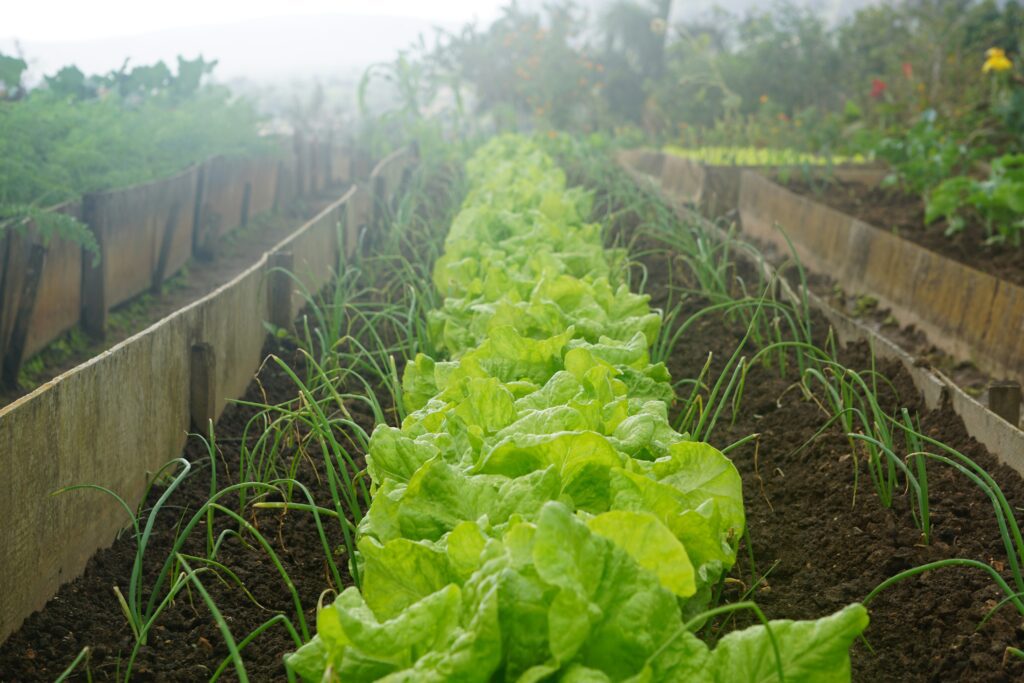
Lettuce
Spinach
Carrots
Peas
Warm-Season Plants (need warm soil and no frost):
Tomatoes
Peppers
Cucumbers
Beans
When to Plant (Simple Guide)
Plant cool-season crops a few weeks before the last frost
Plant warm-season cropsafter the last frost when soil is warm
Easy Tip for Beginners 🌼
If you’re unsure, wait a little longer rather than planting too early. Most plants do better with warmth than cold.
Bonus Tip
Start seeds indoors for warm-season plants. This gives them a head start before moving them outside.
Conclusion
Timing your garden doesn’t have to be complicated. Once you understand frost dates and plant types, you’ll set your garden up for success right from the start.